Buying a Second Home in Northern Ireland: The Decisions That Come Before the Postcode
The appeal of buying a second home in Northern Ireland tends to arrive fully formed.
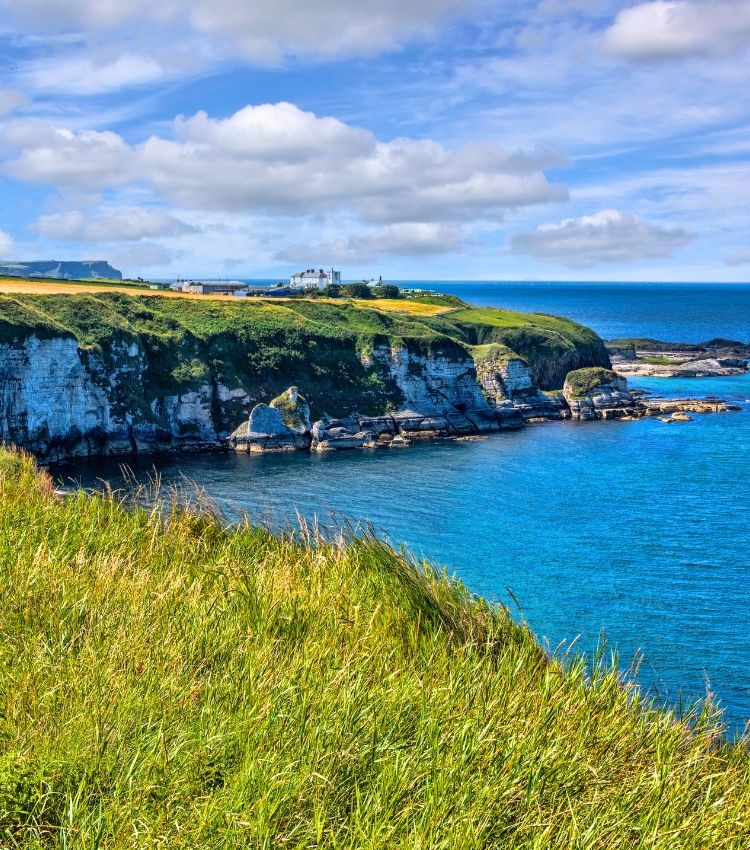
It can be conjured by a stretch of the Causeway Coast seen on a clear morning, a lough shore that stays quiet long after the summer visitors have gone, or a village where the pace suits a slower kind of weekend. What comes next is harder. Buying a second home in Northern Ireland raises a set of questions that a first home never does, and most of them have little to do with the view.
A main residence is chosen around the fixed points of a life: work, schools, the daily commute. A second home is chosen around how a life might expand. That freedom is the pleasure of it and also the difficulty.
When almost anywhere is possible, the deciding factors become less obvious and more personal. How often you will realistically use it, whether it should earn its keep between visits, how easily it might sell when the time comes, and how you will look after a property you do not live in. These matter more than the postcode, and they are worth settling before you fall for a particular house.
Why buying a second home in Northern Ireland is a different decision
The first thing to understand is that a second home answers to different logic than a first. With a primary residence, use is a given. You live there. A second home is used in the gaps, and those gaps are easy to overestimate at the point of purchase, when enthusiasm is high and the diary looks empty.
Being honest about frequency is a useful discipline.
A coastal house within about an hour of Belfast that can absorb a Friday-evening escape will be used very differently from a lakeland retreat two hours away that only really works for longer breaks. Neither is wrong. But the pattern of use should shape the search, because it changes everything from how much space you need to whether letting the property makes sense at all.
Resale is the other consideration that separates a second home from a first. In our experience, the buyer pool for the best second homes here tends to be province-wide rather than purely local.
A well-chosen home on the north coast or the North Down shore is rarely competing for buyers from its own town alone, and the most appealing settings can draw interest from across the province and from Great Britain. That breadth can help sustain demand in the most desirable locations, which also tend to be where competition is keenest and the right property hardest to find.
The costs and considerations to weigh early
Before the search narrows to particular houses, it helps to understand the shape of the costs, because buying a second home in Northern Ireland carries charges a main residence does not.
The most significant at the point of purchase is stamp duty. In Northern Ireland, as in England, an additional property attracts a Stamp Duty Land Tax surcharge on top of the standard rates that apply to any purchase. Scotland and Wales operate their own separate property tax regimes, so anyone comparing locations across the UK should take advice specific to the jurisdiction they are buying in.
The surcharge is set by the Treasury and can change with a Budget, so the rate that applies to you is best confirmed with your solicitor at the point of purchase rather than assumed in advance. What does not change is the principle: a second home costs more to acquire, in tax terms, than a first, and that belongs in the budget from the outset.
Conveyancing in Northern Ireland is typically solicitor-led, rather than involving the licensed conveyancers found in parts of England, which tends to make local legal advice easy to arrange and worth securing early.
There are running costs to weigh too. Rates are payable on a second property, and a home used only intermittently still needs heating, insurance and upkeep through the months it stands empty.
If you ever come to sell, any gain on a second home may fall within capital gains tax, unlike the main residence you actually live in. None of this should deter a serious buyer. It simply belongs in the decision early, as general context; the specifics are complex and a matter for your own solicitor and tax adviser at the point of purchase.
Coast, lough and lakeland: the shape of the province’s second-home map
Northern Ireland is small enough to cross in a morning and varied enough that a second home here can mean four or five quite different things. The choice tends to resolve into a handful of distinct settings, each with its own character, its own rhythm through the year, and its own kind of buyer.
The North Down coast
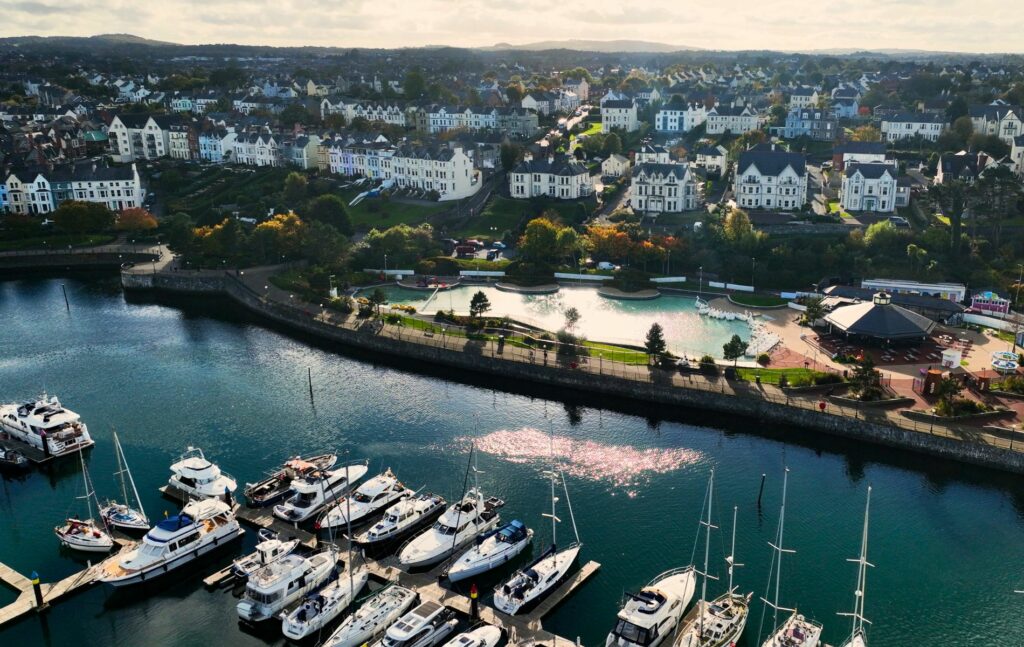
For buyers who want the coast within easy reach of the city, the North Down shore is the obvious answer. Holywood, Cultra, Helen’s Bay, Bangor, Crawfordsburn and Donaghadee run along Belfast Lough and the open sea beyond it, close enough to the city and its two airports for a home here to work as a genuine weekend base rather than an occasional retreat.
The North Down coastal villages, from Holywood to Donaghadee, have long attracted buyers who want sea air without distance, and homes in the most established addresses can attract strong interest when they do come up.
The Causeway Coast
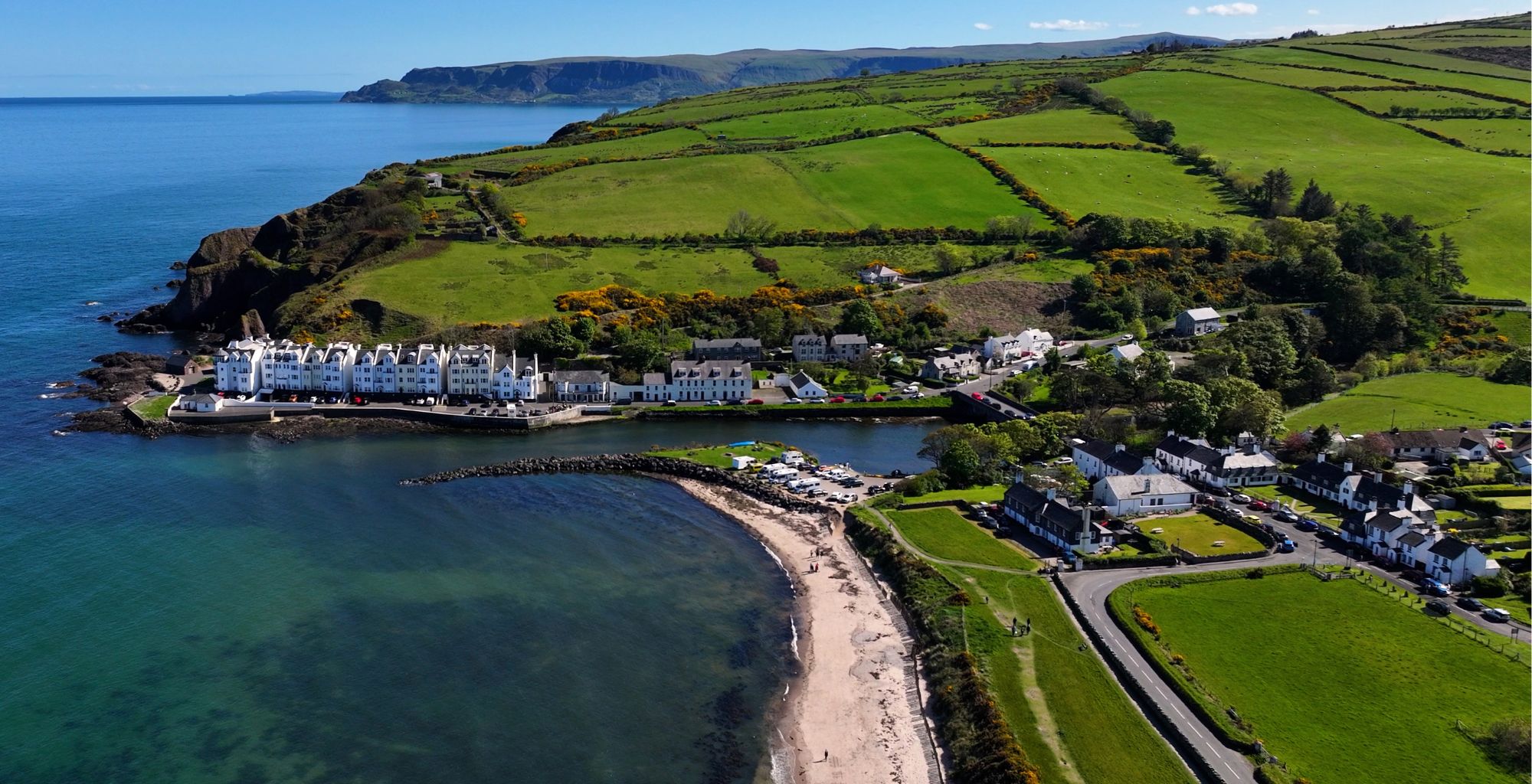
The north coast is the classic case for a home by the sea. Portrush and Portstewart anchor it, with their beaches, their Atlantic light and a concentration of championship golf that draws visitors from around the world.
Bushmills, Portballintrae and Castlerock offer quieter alternatives within the same corridor, and Ballycastle sits at its eastern end, closer to the Glens of Antrim. The Giant’s Causeway, a World Heritage Site, gives the whole stretch a pull that never really fades. This is where second-home interest is most visible, and where many of the most desirable properties appear to change hands only infrequently.
Strangford Lough and the Mourne coast
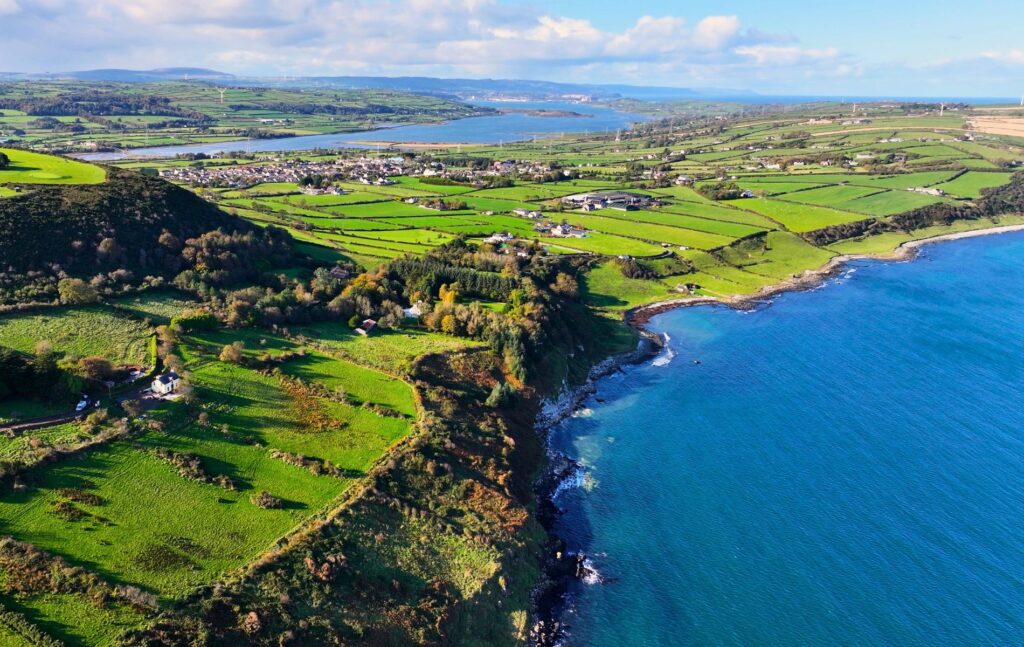
Further south, Strangford Lough offers something quieter and less commercial. This is National Trust coastline with a strong sailing culture, its villages, Killyleagh, Portaferry and Strangford, turned towards the water rather than the tourist trade.
Beyond it, the Mourne coast runs down towards Newcastle, where the mountains meet the sea. Buyers drawn here tend to want calm and a working relationship with the water over the busier social scene of the north coast.
The Fermanagh lakes
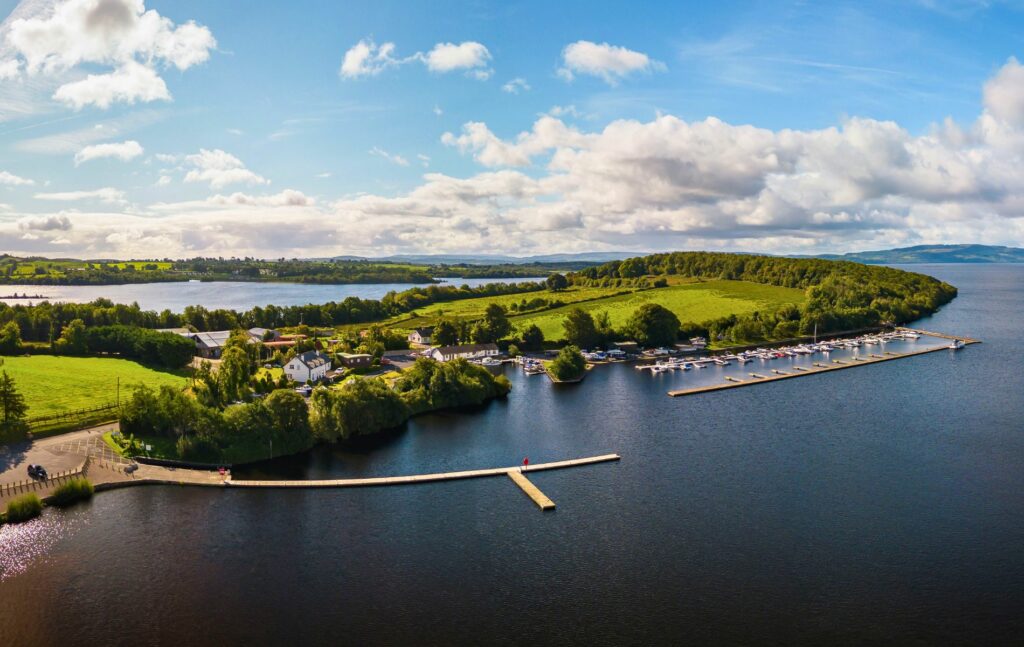
Not every second home needs to face the sea. In the west, Fermanagh’s lakes offer water of a different kind, with Lough Erne at their centre and the National Trust’s Crom Estate on its shore. This is Northern Ireland’s own lake district: boating, fishing and long wooded shorelines, well inland and well away from the coastal crowds.
For buyers who value seclusion over sea views, it is the province’s quietest and most private option.
Letting potential versus personal use
One of the earliest questions in buying a second home in Northern Ireland is whether the property should earn anything when you are not using it. There is no single right answer, and the honest one depends on how possessive you feel about the place.
A home you intend to use often, and to fill with your own things, rarely makes a comfortable holiday let.
A home you will visit a handful of times a year might reasonably pay part of its way between visits. Location shapes the potential for that, though not the certainty.
Proximity to Belfast’s two airports makes a property more accessible to potential visitors, and the north coast’s concentration of championship golf can lift interest in local accommodation around major events. Royal Portrush is an established Open Championship venue, and when it hosts events on that scale, demand for accommodation across the north coast tends to rise for a period. Letting income is never assured, though, and is best treated as a variable rather than a given.
Seasonality is the counterweight. Coastal Northern Ireland is busiest in summer and quieter through the winter, so letting income tends to be uneven across the year. A property chosen purely for yield may disappoint. A property chosen for how much you will enjoy it, that also happens to let well, is the more reliable proposition. Letting should be a bonus that follows the right purchase, not the reason for it.
Why the most desirable second homes often sell quietly
Scarcity is, in our experience, one of the defining features of the market for the best second homes. The settings that make a coastal or lough-side property worth owning, a private shoreline, a sheltered aspect, a village with real character, are finite by nature, and the finest examples tend to change hands infrequently. When they do, some move quietly, sold through local relationships before they are ever advertised.
This is the point at which a second-home search differs most sharply from a primary move. A family relocating for work has a timetable and must engage with whatever is available. A second-home buyer is almost always patient and selective by nature.
The purchase is discretionary, the criteria are exacting, and the right house may be worth waiting for. That combination of high standards and no urgency is exactly where local knowledge and early awareness of suitable opportunities can make a real difference. Being aware of a house that may be coming up, or being introduced to an owner before a board goes up, can materially improve the chances of finding the right fit.
The practicalities of a home you do not live in full-time
A second home introduces a set of practical questions that a main residence never raises, all of them stemming from the same fact: for much of the year, nobody is there.
Access is the first. A property you can reach in an hour will be used far more than one that takes half a day to get to, and ease of arrival matters more than buyers expect at the point of purchase. Security is the second. An empty house needs looking after, whether through smart monitoring, a trusted neighbour, or a local caretaker who can check on it after a storm. Maintenance is the third, and the least glamorous. Gutters still fill, boilers still fail, and gardens still grow, whether or not anyone is present to notice.
For homes that are let, a local managing agent handles much of this as a matter of course. For those kept purely for private use, it pays to arrange a reliable local contact before completion rather than after the first problem arises. A second home is a pleasure, but it is a pleasure that rewards a little forethought.
Finding your second home in Northern Ireland with Garrington
The decision to buy a second home in Northern Ireland is, at heart, a decision about how you want to spend the parts of your life that are entirely your own. The coast, the lough shore and the lakes each offer a different version of that, and the right choice depends far more on how you will use the home than on any single postcode.
Because the best second homes are scarce and often sell quietly, this is the kind of search that can reward local knowledge and early awareness of the right opportunities. Garrington’s Northern Ireland team works with buyers on precisely this basis: unhurried, selective, and guided by the places worth waiting for.
If you are considering a second home anywhere across the province, we would welcome a confidential conversation about what you are looking for and how we can help you find it. Please get in touch.
Frequently asked questions about buying a second home in Northern Ireland
How much deposit do you need to buy a second home?
Lenders generally expect a larger deposit for a second home than for a main residence, since an additional-property mortgage is treated as higher risk. The exact requirement varies by lender and by your circumstances, so a conversation with a mortgage adviser or broker early in the process is the surest way to understand what you can borrow and on what terms.
What are the disadvantages of buying a second home?
The main considerations are cost and care. A second home attracts a stamp duty surcharge on purchase, carries ongoing rates and running costs whether or not it is occupied, and may fall within capital gains tax if you later sell at a profit. It also needs looking after while empty. For most buyers these are manageable in exchange for the enjoyment the home brings, but they are worth weighing before committing.
How is stamp duty applied to a second home in Northern Ireland?
Northern Ireland uses the same Stamp Duty Land Tax system as England. A second or additional property attracts a surcharge on top of the standard rates that apply to any purchase. Because the surcharge is set by the Treasury and can change with a Budget, the rate that applies to your purchase should be confirmed with your solicitor at the time you buy rather than assumed from an earlier figure.